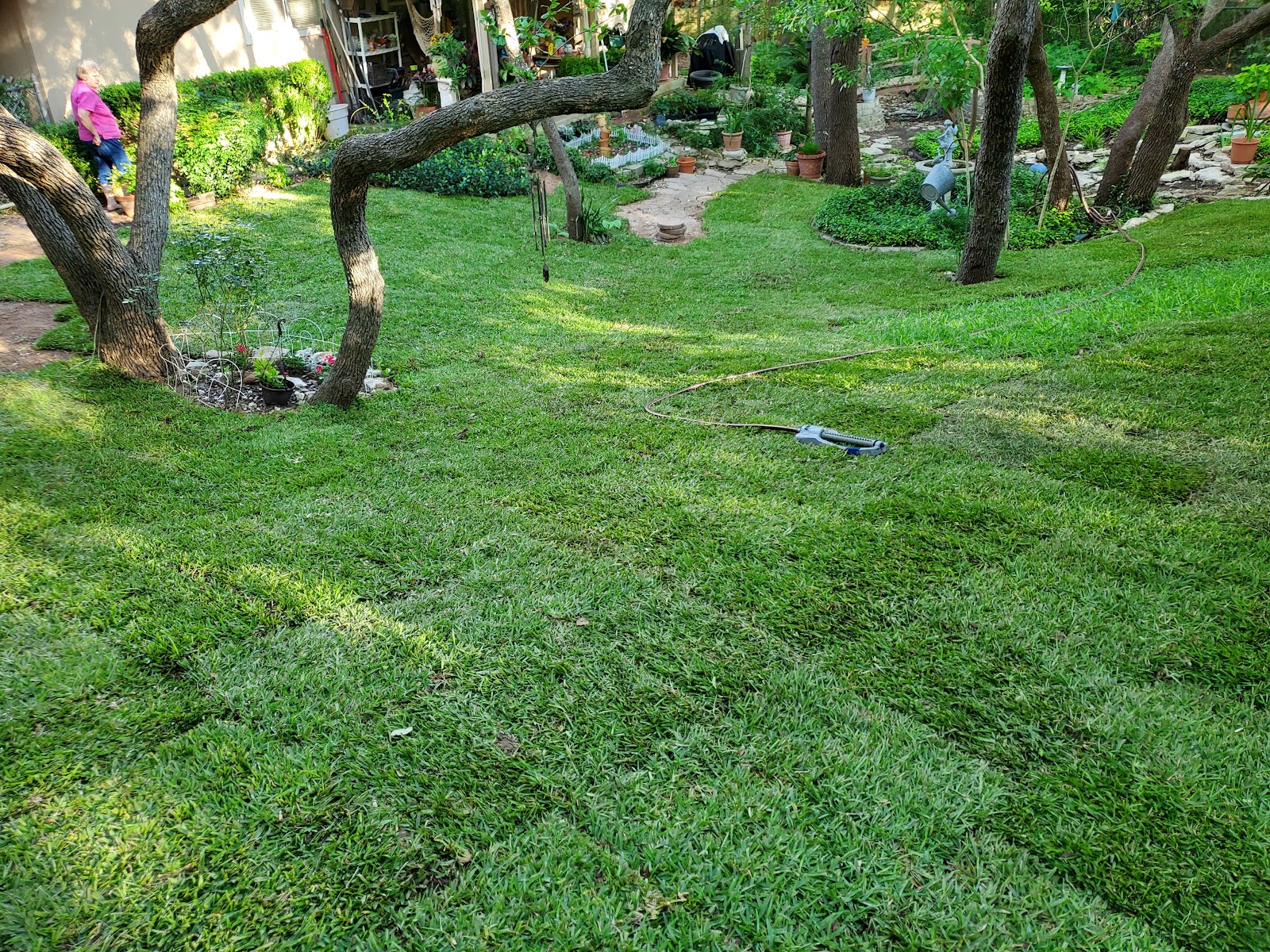
Why watering timing matters
Watering your lawn sounds simple, but doing it at the wrong time can waste water, encourage disease, and leave your grass stressed. In Central Texas, the combination of heat, clay soil, and occasional drought means you have to be smart about when and how much you water. The goal is to give your grass enough moisture to stay green and healthy without drowning the roots or losing water to evaporation.
Most homeowners tend to water too often and too shallowly, which leads to weak roots that cannot handle dry spells. A deep, infrequent watering schedule encourages roots to grow deeper into the soil, where they can find moisture even when the surface is dry. Understanding the best time of day to water and how to read your lawn's signals will help you use water efficiently and keep your yard looking good.
The best time of day to water
Early morning is the best time to water your lawn in Central Texas. Between 4 a.m. and 8 a.m., temperatures are cooler and the wind is usually calm, which means less water is lost to evaporation. The grass has time to absorb the moisture before the sun gets high, and the blades dry off during the day, which helps prevent fungal diseases that thrive on wet grass overnight.
Watering in the evening or at night is risky because the grass stays wet for hours, creating a perfect environment for fungus and mold. Midday watering is inefficient because the hot sun evaporates much of the water before it reaches the roots. If you have an automatic sprinkler system, set it to run in the early morning and adjust the schedule as the weather changes. A simple timer can make a big difference in how much water your lawn actually gets.
How much water your lawn needs
Most lawns in Central Texas need about one to one and a half inches of water per week, including rainfall. The best way to measure this is to place a few empty tuna cans or rain gauges around your yard while you run the sprinklers. When the cans have about an inch of water, you have applied enough. This method gives you a real measurement instead of guessing based on how long you ran the system.
It is better to water deeply once or twice a week than to water a little bit every day. Deep watering encourages the roots to grow deeper into the soil, which makes your lawn more drought-tolerant. If you see water running off the lawn and onto the sidewalk, you are watering too fast—try splitting the watering time into two shorter cycles with a break in between to let the water soak in. Clay soil in Central Texas absorbs water slowly, so patience pays off.
Signs your lawn needs water
Your lawn will tell you when it is thirsty if you know what to look for. The first sign is a change in color—grass that is starting to dry out will turn a dull bluish-gray instead of its usual green. Another sign is footprints that stay visible after you walk across the lawn. Healthy grass springs back quickly, but stressed grass stays flattened because the blades have lost their flexibility.
You can also check the soil by sticking a screwdriver or a long probe into the ground. If it goes in easily, the soil is still moist. If it is hard to push in, the soil is dry and your lawn needs water. Do not wait until the grass turns brown and crispy—that means it has gone dormant and will need more water to recover. Catching the signs early lets you water just enough to keep your lawn healthy without overdoing it.
Adjusting for weather and seasons
Central Texas weather can change quickly, so your watering schedule should not be set in stone. During cooler months or after a good rain, you can cut back on watering or skip it entirely. Overwatering when the soil is already wet wastes water and can drown the roots. Pay attention to the forecast and turn off your sprinklers when rain is expected within the next day or two.
In hot, dry spells, you may need to water more often or increase the amount per session. If your lawn is in a shady spot, it will need less water than a lawn that gets full sun all day. The same goes for slopes, which drain faster, and low spots, which hold moisture longer. A smart approach is to check your lawn regularly and adjust based on what you see, not on a rigid calendar. Your lawn will thank you with deep roots and steady color.